25 maart 2026
Energy News March 2026
Gas infrastructure destruction in the Middle East
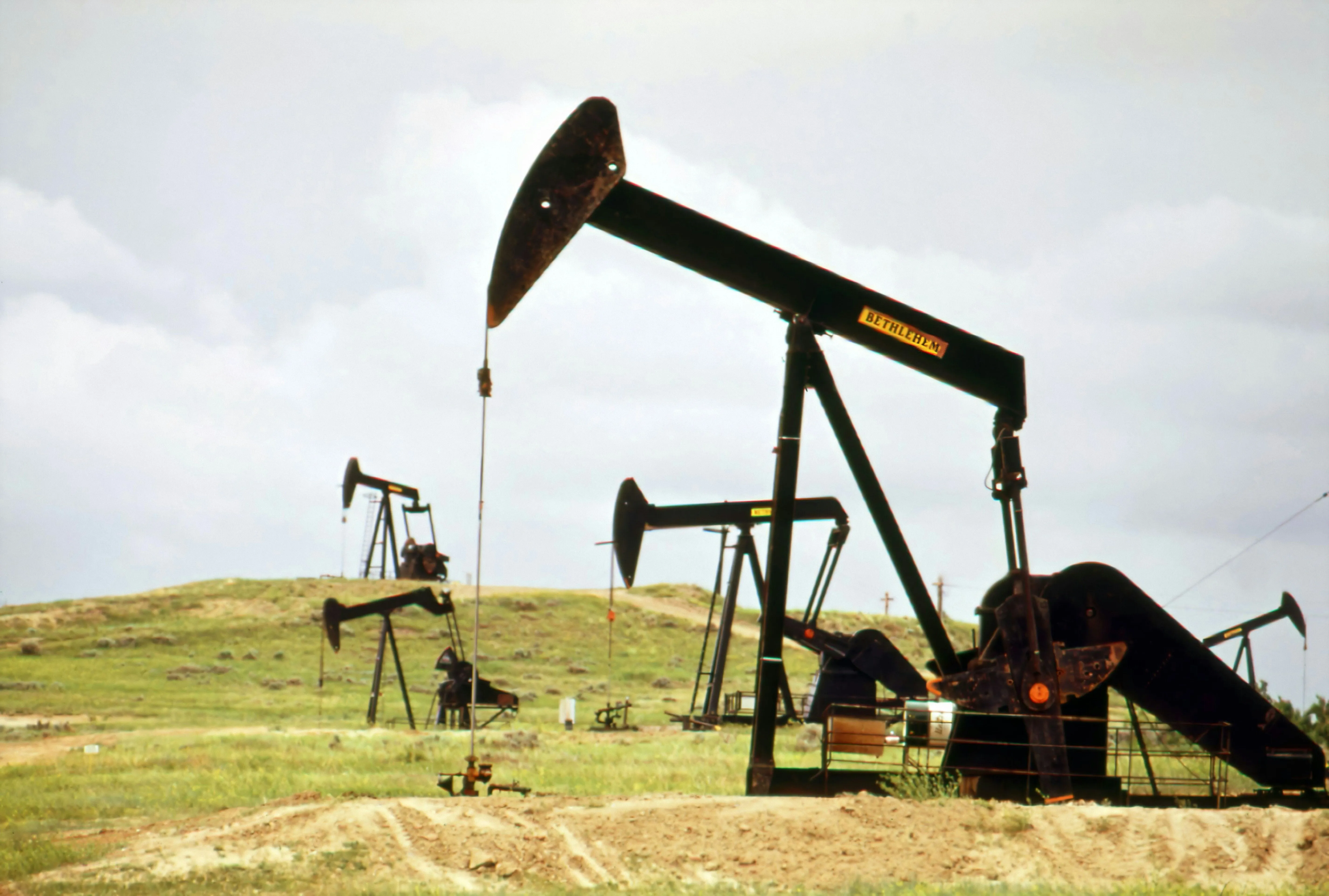
The recent escalation has left the Middle East’s gas sector in deep crisis, beginning with Israeli strikes that severely damaged Iran’s South Pars gas field and its processing infrastructure at Asaluyeh, setting off a chain of retaliation across the region. In response, Iran targeted Qatar’s Ras Laffan LNG complex, destroying major liquefaction trains and removing roughly 17% of Qatar’s LNG export capacity (at least 2 LNG trains), a loss expected to take 3-5 years to repair. As the conflict widened, gas infrastructure in the UAE, Saudi Arabia, Kuwait, Bahrain, and Oman faced missile strikes, fires, and shutdowns, with several countries forced to halt operations or declare force majeure due to mounting damage. These disruptions have taken much of the Gulf’s LNG network offline, Qatar’s exports alone, normally 20% of global supply, are effectively halted, triggering severe global supply shocks. With more than 40 energy assets across nine countries severely damaged, pipelines and processing hubs have been left inoperable or structurally compromised. Repair timelines across the region extend from months to several years.
European Commission working on a revision of EU-ETS
The European Union is preparing a revision of the Emissions Trading System (ETS) to address rising energy prices, competitiveness pressures, and long‑term decarbonisation needs. The first step is the publishment of updated ETS benchmark values in April 2026, providing the basis for free‑allocation levels in the current period.
In parallel, discussions are ongoing for short/mid-term adjustments. It was originally planned for Q3 2026, but is potentially moved forward to the end of June. The Market Stability Reserve is considered to stop cancelling surplus allowances, intended to use MSR as a price stabilization tool and not just as a surplus absorber. The revision will also include a structural update to the Linear Reduction Factor, preventing the cap from reaching zero after 2039 so the ETS can continue functioning beyond that date. A key element will be defining the future regime for free allowances after 2030, deciding whether they continue, are phased out, or are reshaped for the next trading period. This decision will go beyond benchmark updates and set long‑term allocation rules for industry with possible conditional free allocation linked to decarbonization investments. The revision will as well refine accounting rules for carbon capture and utilisation, consider expanding the ETS to additional sectors and greenhouse gases, and update how removals are integrated. To support industrial decarbonisation, a €30 billion investment mechanism funded by ETS allowances will be introduced. Together, these measures will shape the post‑2030 ETS architecture and ensure the system remains stable, operational, and effective through the 2040s.

Flanders introduces a two-billion-euro program for the energy intensive industry to decarbonise
The Flemish government is launching an unprecedented €2 billion subsidy program over ten years to support industrial investments in low‑carbon technologies, with €100 million budgeted for 2028 and €200 million for 2029. The support will be granted through “contracts for difference”, in which the government compensates part of the operating costs of sustainable installations depending on energy and CO₂ prices. This measure comes amid mounting pressure on the Flemish industrial sector due to high energy prices, Chinese overproduction, and foreign subsidy competition, leading to factory closures and postponed investments. The program aims to make technologies such as CO₂ capture and storage, electrification and hydrogen installations, circularity and biomass, economically viable while ensuring subsidies are reclaimed if prices fall. The initiative is financed through revenues from the EU Emissions Trading System and is intended to counteract the risk of industry relocating abroad, which the Flemish minister‑president sees as a major threat to regional prosperity.

Elia requests an increase in transmission tariffs to finance the ongoing and planned investments
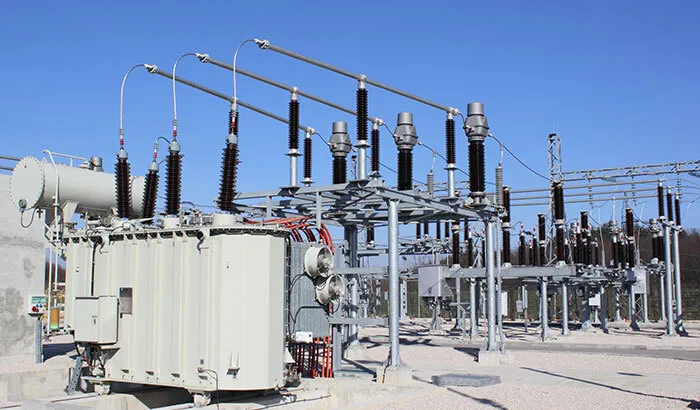
Elia Group, operator of Belgium’s high‑voltage grid, is urging permission from CREG to further increase transmission tariffs to secure sufficient funding for its upcoming investments. The company argues that its return on equity in Belgium, at 6.2% for 2021–2024, is far below the European average of 10.4%, making it harder to attract financing from financial markets. Without higher allowed returns, Elia may struggle to raise capital for critical grid expansion, even though the impact on households would be limited to about six euros per year. Large industrial consumers, however, already burdened by high energy costs, may feel the increase more strongly. The impact for industrial consumers would be € 0,75/MWh. Meanwhile, Elia stresses the urgency of major projects such as the Ventilus high‑voltage line and highlights its record €5.2 billion investment year, despite setbacks like a €99 million write‑down on U.S. assets.