18 december 2025
Energy News December 2025
Ban on Russian LNG by 2027
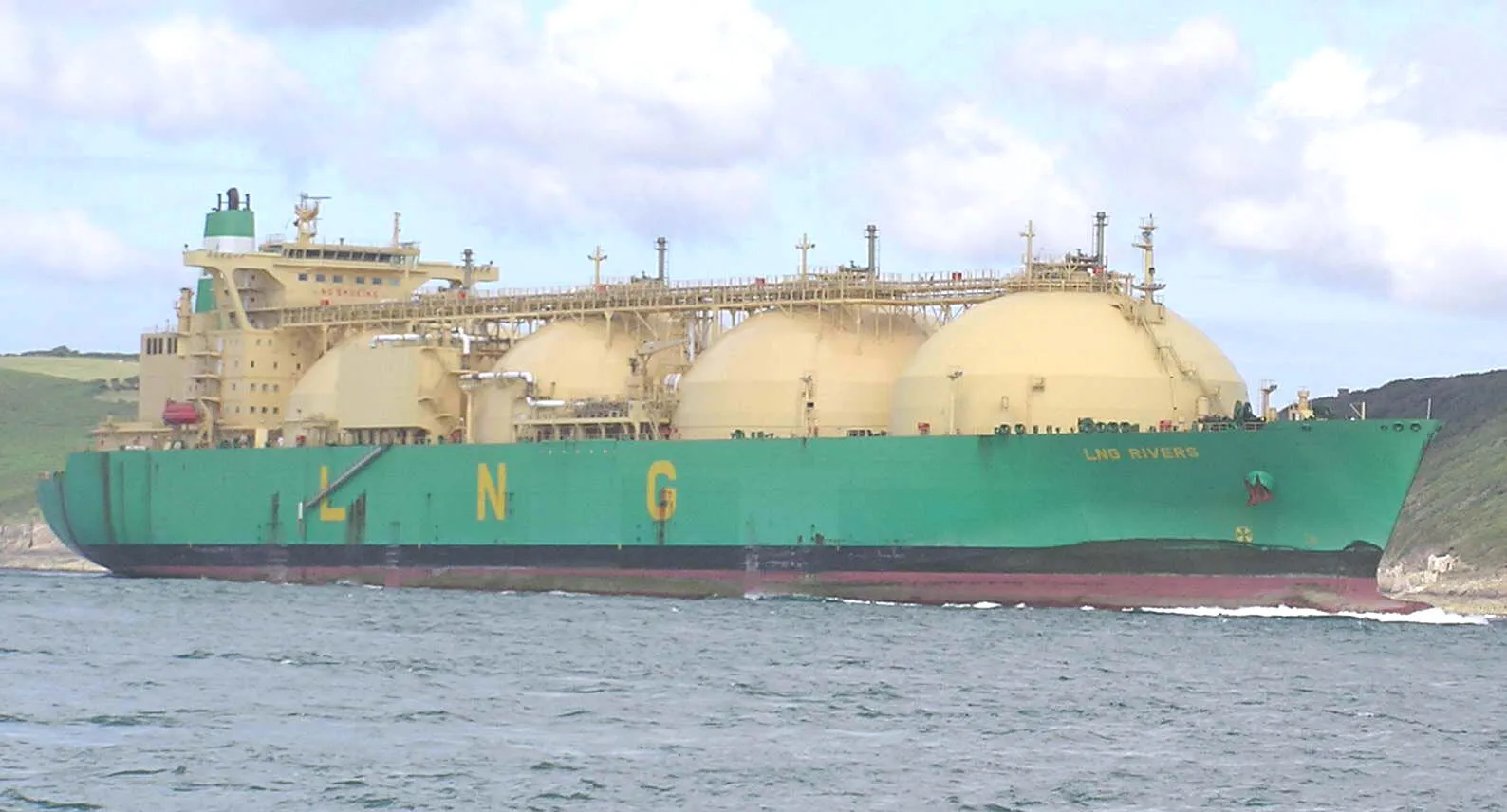
The European Union has agreed to completely phase out Russian gas imports by 2027 as part of its REPowerEU strategy to reduce dependency on Russian fossil fuels and strengthen energy security. Under the new rules, no new short-term contracts for Russian liquefied natural gas (LNG) or pipeline gas will be signed, and existing long-term agreements will be progressively terminated. From 1 January 2027, EU companies will be prohibited from purchasing Russian LNG under long-term contracts, while pipeline gas contracts will end by 30 September 2027, with a possible extension to November 1 for technical adjustments.
This decision marks a significant shift in Europe’s energy policy, following years of heavy reliance on Russian gas, which accounted for around 40 percent of EU imports before the war in Ukraine. Although imports have already fallen sharply since 2022, LNG deliveries continued, prompting this legislative step. The ban is expected to reshape Europe’s energy mix, increase demand for alternative suppliers such as Norway, the U.S., and Qatar, and accelerate investments in renewable energy infrastructure. It also aims to prevent Russia from using gas as a geopolitical weapon and to ensure a more resilient and diversified energy market for the EU.
Doel 2 Nuclear Reactor Shuts Down After 50 Years
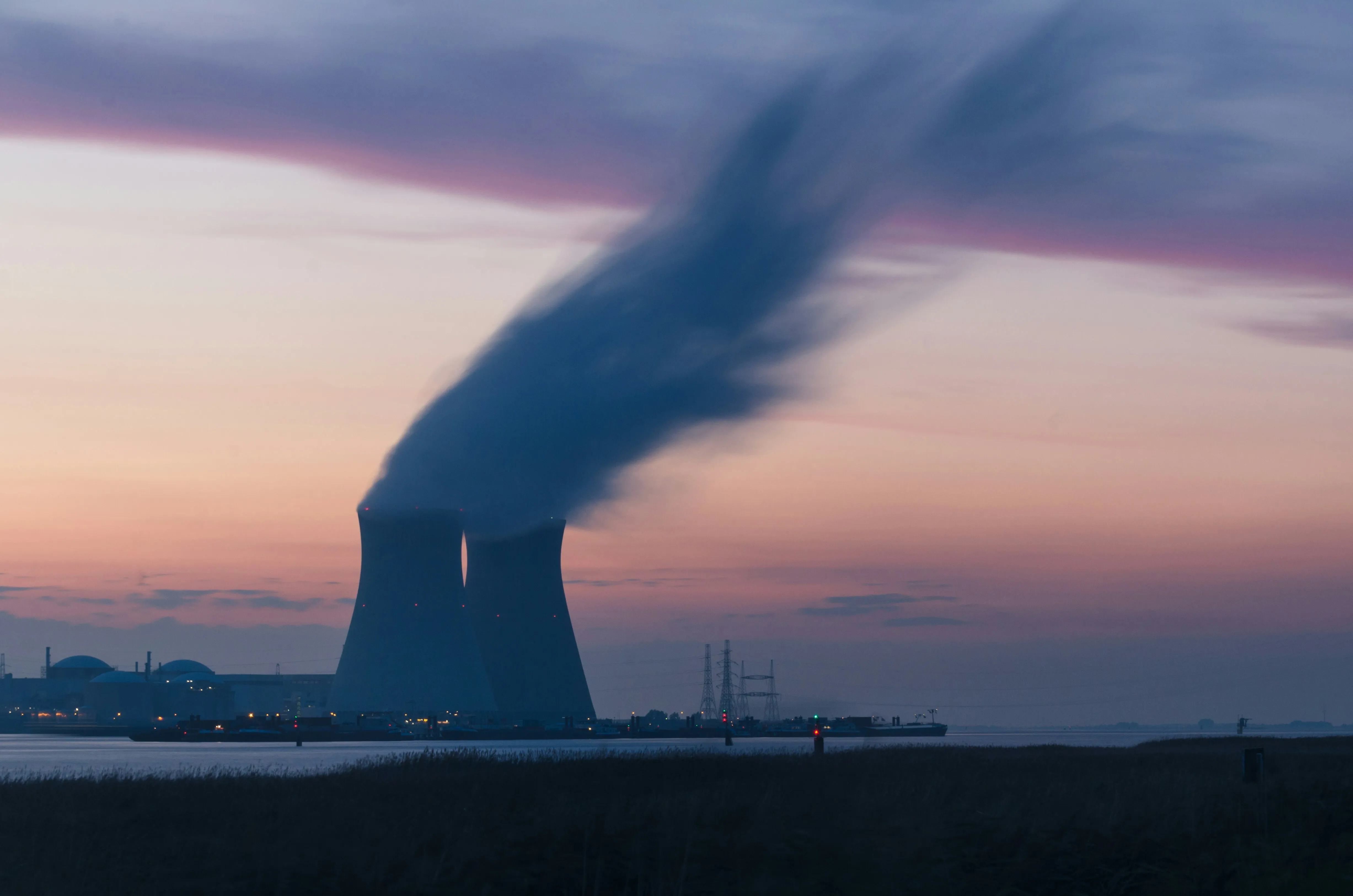
Belgium’s Doel 2 nuclear reactor, operating for 50 years and with a capacity of 445 MW, was permanently shut down on the night of November 30 to December 1, 2025, and disconnected from the high-voltage grid under the supervision of FANC, marking it as the fifth reactor to be retired as part of the country’s nuclear phase‑out policy. Following shutdown, the reactor will undergo a gradual cooldown over several days, after which fuel removal and a multi-year cooling process will commence before demolition begins around 2039–2040. With only Doel 4 and Tihange 3 remaining and scheduled to operate until 2035, the closure reflects a strategic pivot by the Belgian government that repealed its 2003 phase-out law in 2025 while extending the two newer reactors’ lifespan to address energy security concerns.
German plans support for transmission grid costs
Germany approved a €6.5 billion subsidy to reduce transmission grid tariffs for large consumers. The four transmission system operators—Amprion, 50Hertz, TenneT, and TransnetBW—will now need to apply for the subsidy, which will be allocated proportionally based on each operator’s allowed revenue cap. After receiving the funds, each operator will decide how to distribute the subsidy between the power-based and energy-based components of the grid charges. This calculation will determine the new Arbeitspreis (per kWh) and Leistungspreis (per kW) for users. As of November 21, 2025, only the initial decision on the €6.5 billion budget is confirmed; the subsequent steps will be decided later at different levels.
EU Commission approves €42 bln state aid for Poland’s first nuclear plant
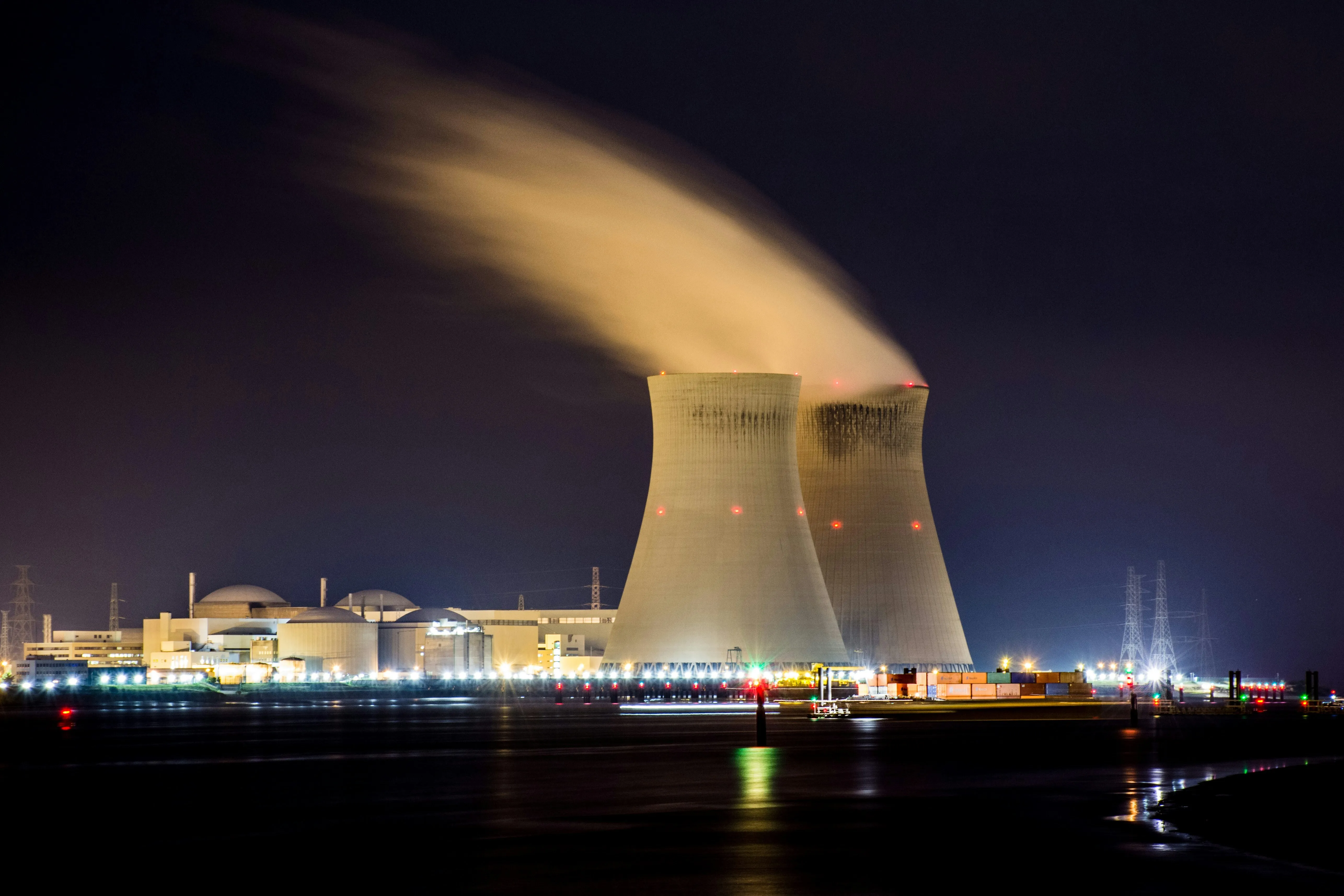
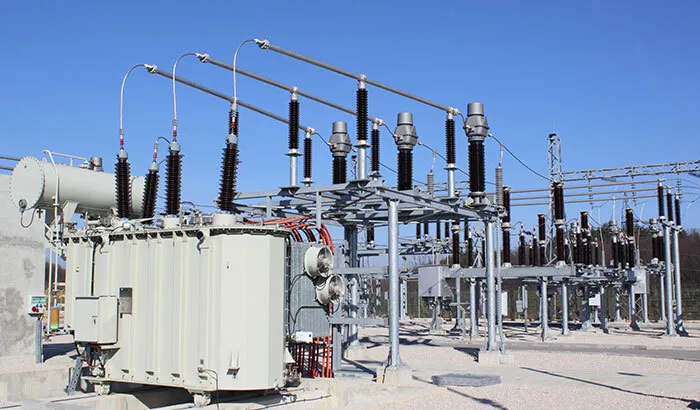
The European Commission has approved a €42 billion Polish state aid scheme for the construction of the country's first nuclear power plant, which is scheduled to start generating electricity in the second half of 2030. It is a 3,75 MW nuclear plant. Poland plans to provide direct price support through a contract for difference over a 40 year period. The government will also cover 30% of the project's costs and provide state guarantees covering 100% of the company's debt financing.