19 september 2026
Energy News September 2026
Start of Belgium’s new 885-MW gas-fired CCGT delayed into 2027
According to EDF Luminus, the start of testing at Belgium’s new 885-MW gas-fired Seraing II combined-cycle gas turbine power plant has been delayed another three months into the fourth quarter of 2026, with commercial dispatching from Q1 2027. Seraing II is one of the gas-fired power plants backed by CRM to ensure sufficient production capacity. Elia's final Y-1 capacity auction for the 2026-2027 winter contracted 4,556 MW, bringing total available capacity to 15,058 MW against an estimated need of 13,916 MW, including Seraing II. The two remaining reactors (Tihange 3, Doel 4) are offline all summer for lifespan extension works until the start of November. For now, Belgium isn't projected to face an outright supply crisis this winter because of the Seraing delay, but the delay erodes part of the safety margin Elia had planned for winter 2026-2027.
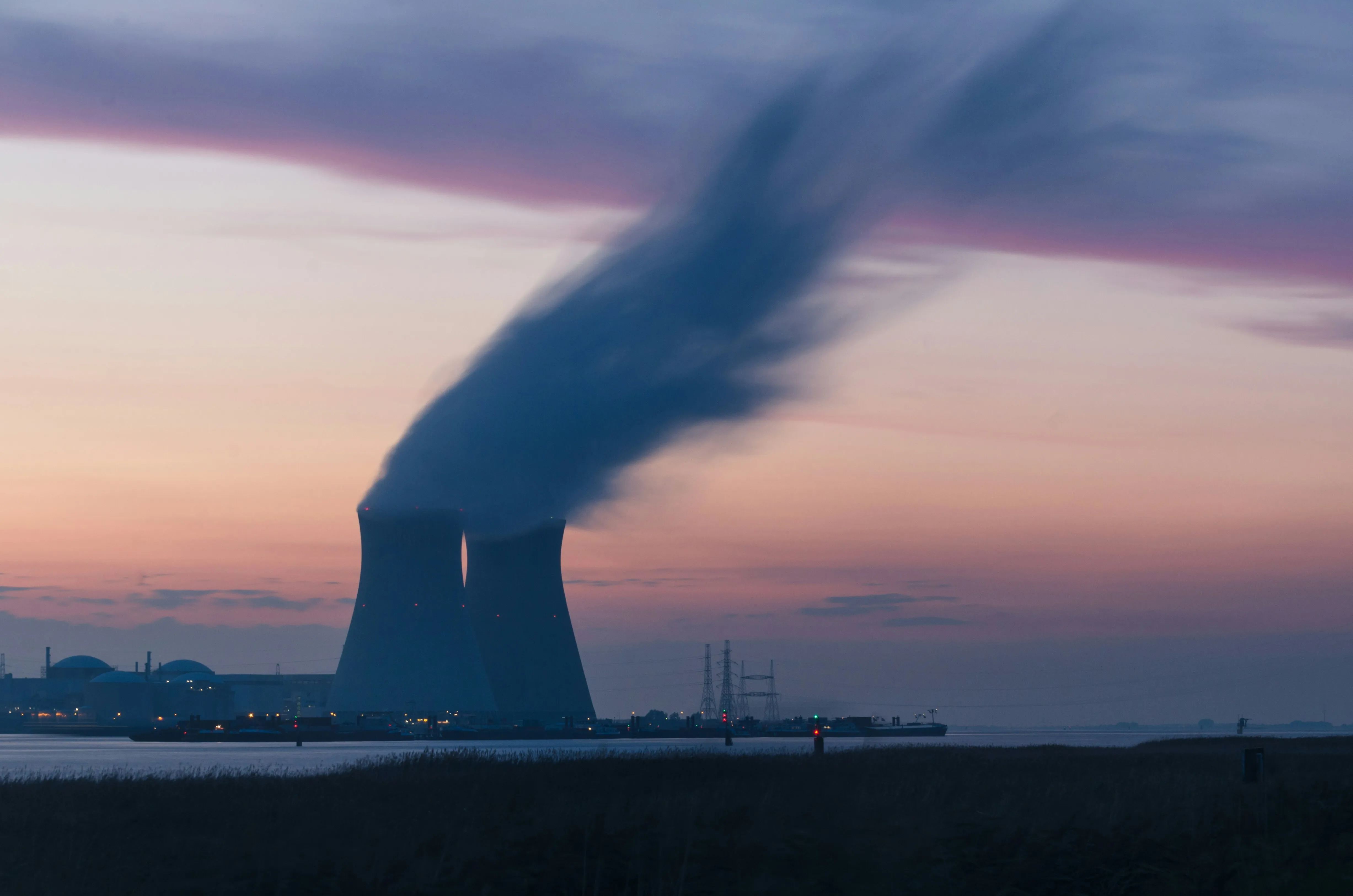
Princess Elisabeth Island reaches a major milestone: the final foundation element has been installed
The foundation works for Princess Elisabeth Island in the North Sea have been completed. The 23rd and final foundation element has been installed some 45 kilometres off the Belgian coast. This completes the protective outer shell of the future energy island. The 23 concrete ‘caissons’ together form the island’s foundation. Each element is 58 metres long, 28 metres wide and weighs approximately 22,000 tonnes. They were built in Vlissingen and then transported to their final location at sea and installed. The works are now entering a new phase. Over the coming months, the space within the caisson structure will be further filled with sand. In 2027 and 2028, the cable connections to the coast are to be laid, followed by the installation of the electrical infrastructure from 2029 onwards. Full completion is ultimately scheduled for 2031. The island is intended to facilitate the connection of Belgium’s second offshore wind zone. It also offers opportunities for a future energy link with the United Kingdom.
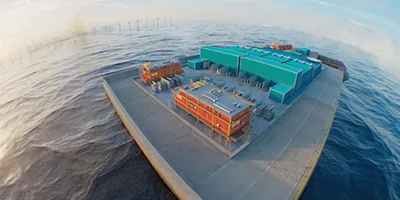
“Destructive sampling” makes the recommissioning of the Doel 3 and Tihange 2 nuclear reactors virtually impossible
Belgium's Doel 3 and Tihange 2 nuclear reactors are almost certainly lost for good after Engie carried out "destructive" steel sampling on their reactor vessels in 2024-2025 as part of the decommissioning process — scraping 20 spots on each vessel wall up to 8mm deep. Experts say such destructive testing on a reactor vessel (unlike other components) can never simply be reversed; the vessel would need extensive repair and years of re-testing, with no guarantee it could ever safely restart, and no reactor has ever resumed operation after this kind of intervention. The De Wever government, which announced in April 2026 that it wants to buy back all seven Belgian reactors, was informed of the tests but has never publicly communicated about them, keeping the door officially open. The technical, financial and legal investigation is still ongoing and no conclusions have been drawn per reactor. All indications point to Doel 3 and Tihange 2 never returning to service. Federal Minister for Energy Mathieu Bihet (MR) does not believe that the Doel 3 and Tihange 2 nuclear reactors have been permanently decommissioned. According to the minister, the technical investigation is still ongoing.
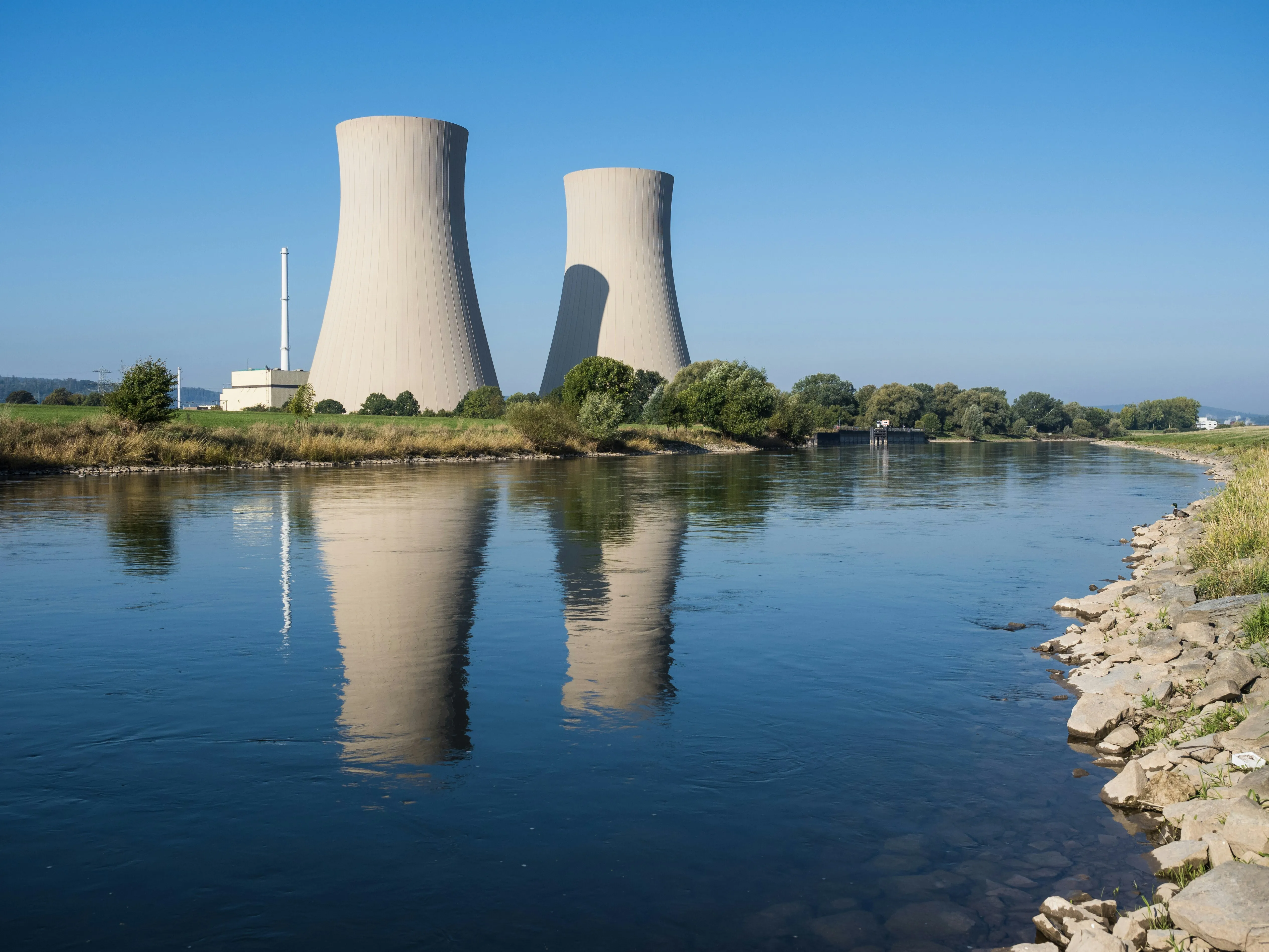
Germany rolls out billions in electricity subsidies: EU-approved capacity mechanism and national grid fee support
The European Commission has approved, under EU State aid rules, a German capacity mechanism worth an estimated €15.6 billion to €35.2 billion, available from 2031 to ensure sufficient electricity generation, storage and flexible consumption capacity to meet expected demand. This comes alongside separate legislation approved by the German government providing €5.525 billion a year in subsidies to offset power grid fees until 2029, extending a temporary 2026 relief mechanism to give households, industry and transmission system operators greater certainty over network charges and to shield them from rising power bills.